Source heat resistant handmade glass cup for Office, Travel, and Daily Use
Explore 30 listings of heat resistant handmade glass cup options featuring clear borosilicate glass, custom logos, and various capacities. Buyers can compare specifications like volume, certifications, and packaging to find suitable suppliers for office, travel, and daily use applications.
Key considerations
Products List






Comprehensive Sourcing Guide
Strategic Sourcing Guide for Heat Resistant Handmade Glass Cups
Understanding Technical Specifications and Material Integrity
When sourcing heat-resistant handmade glass cups, the primary focus must be on the material composition and the specific manufacturing techniques employed. The core requirement for "heat resistant" functionality typically points to borosilicate glass, a material known for its low coefficient of thermal expansion. This property allows the glass to withstand rapid temperature changes without shattering, a critical feature for beverages ranging from boiling coffee to chilled water. In the context of available product data, specific models are identified as being constructed from "High Borosilicate Glass" or simply "Borosilicate Glass," confirming that this material class is a standard offering in the market.
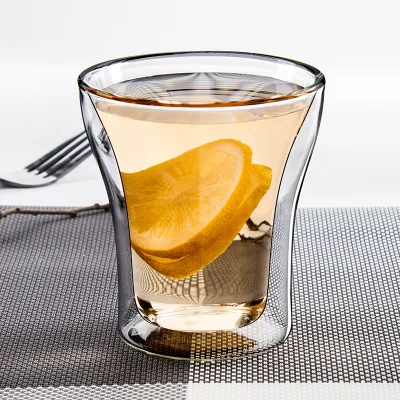
The structural design of these cups varies significantly, influencing their thermal performance and usability. Buyers will encounter products described with "Single Wall" construction, which offers a direct tactile connection to the beverage temperature, and "Double Wall" variants. Double-wall designs are particularly advantageous for heat resistance as they create an insulating air gap, keeping hot liquids hot and cold liquids cold while preventing the exterior from becoming too hot to hold. The shape of the vessel is predominantly "Cylindrical," a form that ensures uniform wall thickness and structural integrity during the heating process. Furthermore, the "Glass Type" is frequently noted as "Clear Glass," allowing for visual inspection of the liquid and the aesthetic appreciation of the product.
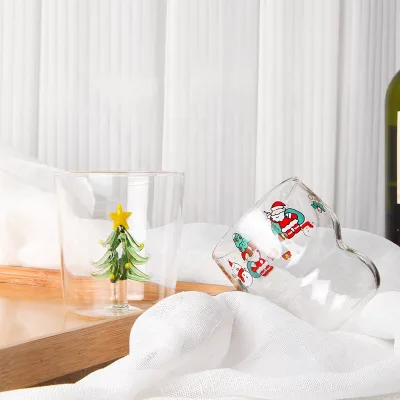
The manufacturing process itself, often referred to as "handmade" in marketing, implies a level of craftsmanship that differs from mass-produced, fully automated molding. This is often reflected in the "Technics" listed as "Decal DECORATED," suggesting that the decorative elements are applied after the initial forming process. While the base structure provides the thermal resistance, the finishing touches, such as "Printed" designs or "Cartoon" styles, must be applied using inks and processes that do not compromise the glass's thermal stability. The presence of "Cup Accessories" like handles is another critical specification. A handle, when properly fused or attached, enhances the safety profile of a heat-resistant cup by providing a cool grip, even when the vessel contains boiling water.
Compliance, Certification, and Safety Standards
Navigating the regulatory landscape is essential for B2B procurement, particularly when dealing with products that come into direct contact with food and beverages. The safety of the glass material and the durability of any applied decorations are paramount. Buyers must verify that suppliers adhere to recognized international standards. The provided data highlights several key certifications that serve as indicators of quality and safety compliance. "LFGB" (Lebensmittel- und Futtermittelgesetzbuch) is a German food safety standard that is widely respected globally for its rigorous testing of materials for harmful substances. Its presence in the product specifications suggests that the glass and any inks used meet strict limits for heavy metals and other contaminants.
Beyond material safety, environmental and chemical compliance is increasingly important. Certifications such as "ROHS" (Restriction of Hazardous Substances) and "REACH" (Registration, Evaluation, Authorization and Restriction of Chemicals) are frequently cited. These standards ensure that the manufacturing process does not introduce prohibited substances into the environment or the final product. For markets in the European Union, "CE / EU" marking is a mandatory requirement, indicating conformity with health, safety, and environmental protection standards. Additionally, "ISO" certification, though sometimes listed in conjunction with color specifications, generally refers to the quality management systems of the manufacturer, ensuring consistent production processes.
It is crucial for buyers to understand that these certifications are not merely marketing terms but require third-party verification. When evaluating a supplier, procurement teams should request valid certificates of analysis (CoA) or test reports from accredited laboratories. The data indicates that some models carry multiple certifications simultaneously (e.g., LFGB, ROHS, REACH), which is a strong positive signal. However, buyers should not assume that every product in a supplier's catalog holds these credentials. Verification must be done on a per-model basis, as specifications can vary even within the same supplier's portfolio. The "Feature: Eco-Friendly" attribute often correlates with these certifications, suggesting that the production methods prioritize sustainability and non-toxic materials, but this should be backed by the specific regulatory documents mentioned above.
Cost Drivers and Pricing Dynamics
The pricing structure for heat-resistant handmade glass cups is influenced by a complex interplay of material costs, labor intensity, and customization requirements. The observed price range in the market spans from $0.02 to $6.00 USD, a wide variance that reflects differences in size, complexity, and order volume. The lower end of this spectrum typically corresponds to simpler, single-wall designs with minimal decoration and high-volume production runs. Conversely, the upper end often includes double-wall insulated cups, custom shapes, or those with elaborate "Decal DECORATED" patterns and specialized packaging.
Material costs are a primary driver. High borosilicate glass is inherently more expensive than standard soda-lime glass due to the raw materials and the energy-intensive melting process required to achieve the necessary thermal properties. The "Materails" specification explicitly noting "High Borosilicate Glass" confirms that the base material cost is a significant factor. Furthermore, the "handmade" aspect introduces labor costs. Unlike fully automated lines, handmade or semi-handmade processes require skilled artisans to shape, finish, and decorate the glass, which increases the unit cost.
Customization is another major cost variable. The data confirms that "Customization: Available" and "OEM/ODM: Acceptble" are standard capabilities. However, implementing custom logos, unique shapes, or specific "Custom Package Supported" requirements adds to the production complexity. This often involves setup fees for molds or decal printing plates, which are amortized over the order quantity. The "MOQ" (Minimum Order Quantity) plays a critical role in the final unit price. The observed MOQ range is 50 to 5,000 units. A supplier may offer a lower MOQ of 50 units for a higher per-unit price, while an order of 5,000 units might trigger a significant price reduction. Some specific models list an MOQ of 1,000 units, which serves as a threshold for accessing standard pricing tiers. Buyers must balance the need for inventory flexibility against the economies of scale to optimize their total cost of ownership.
Typical Applications and Market Segmentation
Heat-resistant handmade glass cups serve a diverse range of applications, driven by their aesthetic appeal and functional durability. The "Usage" category in the product data explicitly mentions "Glass Office Cup," indicating a strong market segment in corporate environments where employees require durable, stylish, and safe drinkware for daily use. These cups are ideal for serving hot coffee, tea, or warm water in office breakrooms, where the double-wall construction prevents burns and the clear glass adds a touch of elegance.
Beyond the office, the "Application: Daily Use" tag suggests a broad consumer market. The "Applicable People: Unisex" attribute highlights that these products are designed for a general audience, making them suitable for retail distribution in home goods stores, gift shops, and online marketplaces. The "Style" variations, ranging from "Simple" to "Cartoon," allow suppliers to target different demographics. Simple, minimalist designs appeal to professionals and modern home aesthetics, while cartoon styles or "Printed" designs may target children or niche gift markets.
The "Key Words" associated with these products, such as "Unique Coffee Mug," suggest a strong presence in the specialty coffee and tea market. Enthusiasts of these beverages often prefer glassware that allows them to appreciate the color and clarity of their drinks. The heat resistance of borosilicate glass makes these cups particularly suitable for pour-over coffee or tea brewing directly in the vessel. Additionally, the "Capacity" being "Customized" allows manufacturers to produce cups tailored to specific serving sizes, from small 80ml espresso cups to large 2000ml water bottles, catering to various consumption habits.
Supplier Evaluation and Sourcing Strategy
Selecting the right supplier requires a rigorous evaluation process that goes beyond price comparisons. Buyers should prioritize suppliers who demonstrate transparency in their production capabilities and quality assurance measures. The "prod_origin" data indicates that many suppliers are located in "China," with specific mentions of "Hebei, China" as a manufacturing hub. While this region is known for glass production, buyers must verify the specific factory's capacity to handle heat-resistant glass, as not all glass factories specialize in borosilicate.
Key evaluation criteria include the supplier's ability to provide "Custom Package Supported" options and their experience with "Customized Logo Acceptable" requests. A capable supplier should be able to guide buyers through the design process, offering samples of "Decal DECORATED" techniques to ensure the final product meets aesthetic expectations. The "Product Name" and "prod_model" listings (e.g., KY-064, CP158, CP90) suggest a structured product catalog, which is a positive sign of organizational maturity. Buyers should request detailed specifications for each model to ensure the "Type" (Single vs. Double Wall) and "Glass Type" match their specific needs.
Furthermore, the "Feature: Eco-Friendly" claim should be scrutinized. Buyers should ask for evidence of sustainable practices, such as the use of recycled materials in packaging or energy-efficient manufacturing processes. The "prod_packing" methods, ranging from "Carton" to "White Box with Bubble Bag," are critical for protecting the fragile glass during transit. A supplier with robust packaging solutions reduces the risk of breakage and associated costs. Finally, the "OEM/ODM" acceptance indicates a willingness to collaborate, but buyers must ensure the supplier has the technical expertise to maintain the "Heat Resistant" properties while implementing custom designs.
Quality Control and Long-Term Procurement Considerations
Ensuring consistent quality is the cornerstone of a successful long-term procurement relationship. For heat-resistant glass cups, the primary quality concern is thermal shock resistance. Buyers should implement a quality control protocol that includes random sampling and thermal testing. This involves subjecting the cups to rapid temperature changes to verify that they do not crack or shatter. The "Property: Heat Resistant" attribute must be validated through actual testing rather than relying solely on supplier claims.
In addition to thermal testing, visual inspection is vital. The "Fancy" attributes, such as "Printed" or "Colorless" finishes, must be checked for consistency, adhesion, and clarity. Any defects in the decal application or surface imperfections can compromise the aesthetic value and potentially the structural integrity of the cup. The "Pieces: Single" specification indicates that these are sold as individual units, making individual inspection crucial before packaging.
Long-term procurement considerations also involve supply chain resilience. The "Lead time" and "MOQ" flexibility are important factors. A supplier with a stable production line and the ability to scale orders up or down based on market demand is preferable. The "Standard" capacities listed (e.g., 360ml, 420ml, 500ml) should be verified against the buyer's inventory requirements to ensure a good fit. Finally, maintaining open communication regarding "Customization" changes and staying updated on regulatory shifts in certification requirements (like LFGB or REACH) will help buyers navigate the market effectively and maintain a competitive edge. By adhering to these rigorous standards, buyers can secure a reliable supply of high-quality, heat-resistant handmade glass cups that meet both functional and aesthetic demands.
FAQs
What certifications do heat resistant handmade glass cups have?
These cups typically hold LFGB, ROHS, REACH, and CE/EU certifications to ensure safety. Some models also meet ISO standards for quality management. Buyers must verify specific certificates per model rather than assuming all products share these credentials.
Can I customize the logo and packaging for these glass cups?
Yes, customization is available for logos and packaging on most models. Suppliers accept OEM and ODM requests for custom designs. Buyers should note that specific packaging options like cartons or white boxes with bubble bags are supported for protection.
Which material ensures the heat resistance of these glass cups?
High borosilicate glass is the primary material used to ensure heat resistance. This material withstands rapid temperature changes without shattering. Single wall and double wall constructions are both available using this durable glass type.
How does the minimum order quantity affect the pricing of these cups?
The minimum order quantity ranges from 50 to 5000 units depending on the supplier. Lower MOQs often result in higher per-unit costs while larger orders may reduce the price. Prices generally fall between 0.02 and 6 USD based on volume.
What capacity options are available for heat resistant handmade glass cups?
Capacities vary from 80ml to 2000ml with some models offering customized sizes. Specific standard sizes include 360ml, 420ml, and 500ml. Buyers can select from single wall or double wall designs based on their volume requirements.
Where are the manufacturers of these glass cups located?
Manufacturers are primarily located in China, with specific hubs in Hebei. These locations are known for glass production capabilities. Buyers should verify the specific factory location to ensure it meets their logistical and quality expectations.